How to Prepare a Bank Reconciliation: 8 Steps with Pictures

What is the formula for bank reconciliation?

Reconciling involves checking each Accounting for Churches entry in your ledger against your bank statement for the period. The main purpose of bank reconciliation is to confirm that your business’s financial records are both accurate and complete. This process is key to reducing mistakes, such as missing transactions, duplicate records, or unauthorized expenditures, and is an effective defense against fraud. Companies usually deposit all collections in bulk with banks as it isn’t feasible to deposit them into the bank individually. The SUMIF function will quickly match and add up all bank transactions using batch numbers to match depositor records and bank statements.

What is the formula for bank reconciliation?

What is Reconciliation and Why Use Excel?

  • Businesses with a higher volume of transactions should consider increasing the frequency of reconciliation—either daily or weekly.
  • For example, your client might have recorded a payment that hasn’t cleared the bank yet, or the bank may have charged a fee that isn’t in the books.
  • Bank reconciliation helps you identify such errors and rectify them promptly.
  • Bank reconciliation not only ensures the accuracy of financial reporting but also detects errors or fraudulent activities promptly.
  • Doing bank reconciliations regularly helps companies control their financial transactions and easily track errors and omissions.
  • An expense or a sale may have been overlooked and not added to the ledger, causing a balance difference between the book and the bank statement.

Now, account for any transactions in your books that haven’t cleared the bank yet, such as deposits in transit or outstanding checks that haven’t been cashed. While your online statement might show one number, your actual cash position could be very different. Unprocessed transactions—like uncleared checks or pending deposits—can create financial blind spots, potentially leading to overdrafts or inaccurate reporting. The bank’s recorded balance and the company’s book balance rarely match on a given date due to inherent timing differences and potential errors. Timing differences occur when one party has recorded a transaction while the other has not yet processed the corresponding entry. A company’s receipts that appear on the company’s records but do not yet appear on the bank statement.

CFOs lose 40+ hours/month to manual matching.

What is the formula for bank reconciliation?

Manual bank reconciliation processes are quickly becoming obsolete as businesses discover the power of bank statement reconciliation software. Modern platforms use artificial intelligence and machine learning to transform hours of tedious matching work into minutes of automated processing. Make journal entries for all book-side adjustments in your accounting system. The adjusted bank balance and adjusted book balance should now match exactly. This adjustment must also be recorded in the company’s general ledger with a credit to Cash and a debit to Bank Fees Expense.

  • A cloud-based solution that makes it easy for accounting firms to manage client work, collaborate with staff, and hit their deadlines.
  • The reconciliation process involves comparing the transactions recorded in the accounting records with the transactions recorded by the bank.
  • Analyze the bank statement for discrepancies such as erroneous charges, incorrect amounts, or missed transactions.
  • For example, if you issue a check to a supplier at the end of the month, it might not clear until the following month.
  • For example, you might investigate all differences over $100 immediately, while differences under $25 are noted but investigated only if they become recurring.
  • That means keeping track of separate bank statements and reviewing every account’s activity individually.
  • Whether you’re running a one-person shop or managing multiple accounts across locations, reconciliation gives you a clear, reliable picture of where your money stands.

Step 4: Make adjusting entries

What is the formula for bank reconciliation?

All of this improves their ability to deliver timely, strategic insights to the CFO and other key decision-makers. Bank reconciliation also helps to ensure that the company’s cash balance is accurate, which is crucial for making informed financial decisions. It automatically calculates total additions and deductions for both the book and bank sections, and compares the final adjusted balances. A few simple habits can make bank reconciliation faster, easier, and more accurate. Start by setting a consistent schedule—monthly is best—to keep things manageable and avoid a backlog bank reconciliation of transactions. Using a checklist or reconciliation template can also help you stay organized and make sure no steps are missed.

What is the formula for bank reconciliation?

What is the formula for bank reconciliation?

Delays can also increase the risk of undetected fraud or material misstatements in financial reports. Auditors, lenders, and tax authorities all want to see that your records are backed by clear, documented proof. It shows that your firm takes internal controls seriously and reduces the risk of having to scramble for explanations later. QuickBooks makes reconciliation easier with automated bank feeds, error detection, and expert support when you need it. Get started with QuickBooks accounting software and take reconciliation off your plate so you can focus on growing your business.

This step involves carefully reviewing each transaction and ensuring it matches. As businesses continue to grow and transactions become more complex, the need for accurate and timely bank reconciliations will only intensify. However, many businesses face challenges in this area, such as the sheer volume of transactions, discrepancies in recording, and the intricacies of financial systems. Failing to perform regular reconciliations can lead to financial mismanagement, incorrect reporting, and increased risk of fraud. When these two adjusted balances match, it confirms that both the bank’s records and the company’s records are accurate, after accounting for timing differences and errors. When these two adjusted balances match, it confirms that both the bank’s records and the company’s records are accurate after accounting for timing differences and errors.

What is a bank reconciliation statement?

Here are the key practices that separate well-managed businesses from those constantly struggling with cash management issues. Perhaps most importantly, regular reconciliation gives normal balance you confidence in your numbers. You’ll sleep better knowing your financial records are accurate and your cash is properly accounted for.

Accounting for Architects: Streamline Your Finances

accounting for architects

Elan What is bookkeeping Tax also uses the best accounting software for architects that boosts better cash management and ensures projects run smoothly without financial disruptions. Once you have this figured out, you can now proceed to choose accounting software. We recommend that you stick with established, efficient, and well-supported accounting products. In addition, when selecting accounting software, consider how easily it integrates with your time tracking and project management software.

How hisabkitab Solves Accounting for Architects

  • Accurate bookkeeping ensures that project costs are tracked, budgets are managed efficiently, and profitability is maintained, all while ensuring compliance with tax laws.
  • These reports give you a better understanding of your top clients and current cash flow so you can communicate with your accounting and project teams about future sales.
  • Students in degrees now labeled non-professional face sharply reduced federal borrowing limits—dropping from an effectively unlimited Grad PLUS cap to a strict $20,500 annual maximum.
  • In fact, consultant fees and other expenses can be 40% or more of total fees.
  • Alan is a California CPA and seasoned accounting professional based in Anaheim, CA, with over five years of experience empowering small-to-medium businesses through strategic financial management.

Making estimated tax payments is a simple way to stay organized and save yourself some headaches come tax time. This is because there are so many items to keep track of, from office supplies to employee salaries. This means that you will set aside money each month to cover your taxes instead of waiting until the end of the year. This will pave the path to achieving early success for your organization. Working on products/services, client requirements, planning, team build-up, organization workflow, payroll, human resource management, etc. are some o…

Would You Like To Add Your Business?

Net revenue is as much a concept as it is a number essential for understanding any architectural firm’s finances. In fact, net revenue is a more important number to a firm than total revenue. Additionally, state and local taxes may vary based on where a project is located, so keeping track of these is essential to avoid surprises. Depreciating specialized equipment, like design software, can also help reduce tax liabilities.

Secure Online Access To Your Bookkeeping Information

Accounting is just one piece of running a successful architecture firm, but it’s deeply connected to your firm’s finances and operations. QuickBooks ProAdvisor The right software gets these functions working together seamlessly, so you can manage projects profitably and reduce admin overload. Setup, training, and onboarding may involve one-time setup fees ranging from $500 to $25,000, depending on your firm’s complexity and the vendor’s level of support. Some vendors also charge extra for premium features like advanced analytics, CRM, or integrations with design and project management software. The needs of today’s architects and engineers go well beyond traditional tax and accounting services.

How do you handle reimbursable expenses in accounting for architects?

accounting for architects

The platform is well-suited for firms prioritizing industry-specific ERP tools, though its complexity may require a careful evaluation of usability and fit. Architecture firms also frequently need to manage lengthy design projects. Project management modules provide the ability to effectively manage workflow. With a project management module you’ll be better able to schedule project work.

Presuming a firm does make a profit, there are one minor and two major cost categories remaining. Usually not significant, it is more a technical category, just a place for accountants to record non-operations-related entries. Consider these expenses as payroll-related because the actual expense amounts vary proportionately to total employee and payroll levels—and they are significant. However, rather than “everything else,” indirect expenses are more easily explainable and understandable if the category is viewed as having two components, one of which is quasi-labor related.

accounting for architects

Steven Burns, FAIA, sold his architectural firm in 2007 to work full-time on the startup he launched to create ArchiOffice. As the Chief Creative Officer of BQE Software, Steve now guides the development of BQE Core, the cutting-edge cloud project accounting platform. He earned his Master of Architecture degree from the Harvard University Graduate School of Design and his Bachelor of Fine Arts from Syracuse University. His passions include ultra-endurance cycling (he’s ridden as far as 522 miles without stopping) and working with Los Angeles Social Venture Partners to help innovative non-profits change the landscape for social justice. Sometimes it’s beneficial for one part of your team to just focus on the tasks at hand while letting managers worry about the bigger picture.

Get hidden insights that drive top A&E firms

  • Accounting is a vital part of any business, but it comes with a unique set of challenges for architectural firms.
  • These systems enable firms to create detailed budgets, monitor costs, track hours worked, and invoice customers based on project milestones.
  • In this article, we’ll explore the seven principles of accounting for architects.
  • While standard financial accounting is essential for the health of your business, project accounting helps drive the success of individual projects.
  • As an architect, running a firm is no easy feat and it doesn’t help that you have to know all aspects of your business like marketing, sales, and finance.

However, because direct expenses are not incurred except for projects, they are not part of a firm’s overhead or operating costs. These reports analyze how much profit each project generates by comparing revenues with expenses. They provide a clear picture of which projects are most financially successful. Regular reviews help you allocate resources wisely and improve project management. By leveraging project accounting and improving your financial workflows, your architectural firm can achieve long-term success and sustainable growth.

accounting for architects

Features such as tracking project costs, time billing, invoicing, billing, payroll management, job costing, and expense tracking are generally included in most accounting software bookkeeping for architects packages designed for architects. Depending on the provider, additional features such as document management, job scheduling and estimating may also be available. This business accounting and bookkeeping software can save you a significant amount of time, money, and energy.

Underestimating Overhead Costs:

  • On paper, a glance at your balance sheet will give you a good idea of what your company looks like.
  • This is usually when your bookkeeper goes on vacation, is sick, or otherwise unavailable.
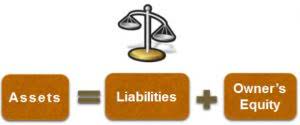
  • Stockholders’ equity (often called net worth) is what is left after subtracting total liabilities from total assets.
  • This leads to accounting challenges that generic billing apps cannot solve.
  • The platform is well-suited for firms prioritizing industry-specific ERP tools, though its complexity may require a careful evaluation of usability and fit.

It should be invested in your success and have a deep understanding of your company’s financial and business goals. As a small architecture firm owner, you know that bookkeeping is important in keeping your business running smoothly. However, with the business demands, it can be easy to let the bookkeeping fall by the wayside. If you feel like you’re losing control over who owes you money and how much, an accountant for architects can help you get back on track. Monitoring key business metrics, such as the proportion of total revenue to salaries and other employee benefits.

World Wide Shipping
Easy Payments
24/7 Customer Support
Translate »