
What’s the Difference Between Alcohol Abuse and Alcoholism?

The first attempt to collect information on mental health began in the 1840 census. By the 1880 census, the Bureau of the Census had developed seven categories of mental illness. In 1917, the Bureau of the Census began collecting uniform statistics from mental hospitals across the country. We know it’s not easy coming to terms that your loved one may have an alcohol use problem, and we’re here to give you the support you need. With our Family & Friends Program, you’ll receive the most important pieces of support in helping you manage life when someone you love has an alcohol use problem.

Behavioral Differences: Disruption vs. Disease

  • When talking with people about alcohol-related problems, there’s a good chance you’ve heard lots of terms thrown around without really knowing what they mean.
  • This differs from alcoholism, a condition characterized by a physical dependency that causes cravings once consumption stops.
  • AUD exists on a spectrum, meaning you can have a mild, moderate or severe case.
  • Delirium tremens is a symptom of severe alcohol withdrawal that can be potentially fatal.
  • By Buddy TBuddy T is a writer and founding member of the Online Al-Anon Outreach Committee with decades of experience writing about alcoholism.

While no longer separate diagnoses, it can be helpful to understand the differences between the two. “Dependence” refers to being unable to stop drinking without experiencing withdrawal symptoms while “abuse” refers to continuing to consume alcohol despite adverse consequences. Alcohol dependence, on the other hand, typically develops over time from repeated alcohol abuse, with genetic, biological, and mental health factors playing a larger role. People with a family history of addiction, certain personality traits, or underlying mental health issues are at a higher risk of developing dependence, where they rely on alcohol both physically and mentally. Acamprosate helps restore the balance of brain chemicals affected by alcohol dependence, easing withdrawal symptoms and reducing the urge to drink. Disulfiram, on the other hand, causes unpleasant reactions when alcohol is consumed, deterring individuals from drinking.

Difference Between Alcohol Abuse and Alcoholism: Understanding Main Distinctions

They continue to drink, even if the behavior is causing trouble with Sober living house friends and family. Unwinding with friends and drinking alcohol helps her relax and forget about the day’s worries. She decides to stop drinking after work so that she no longer risks getting a DUI.

Common Causes of Alcoholism and Alcohol Abuse
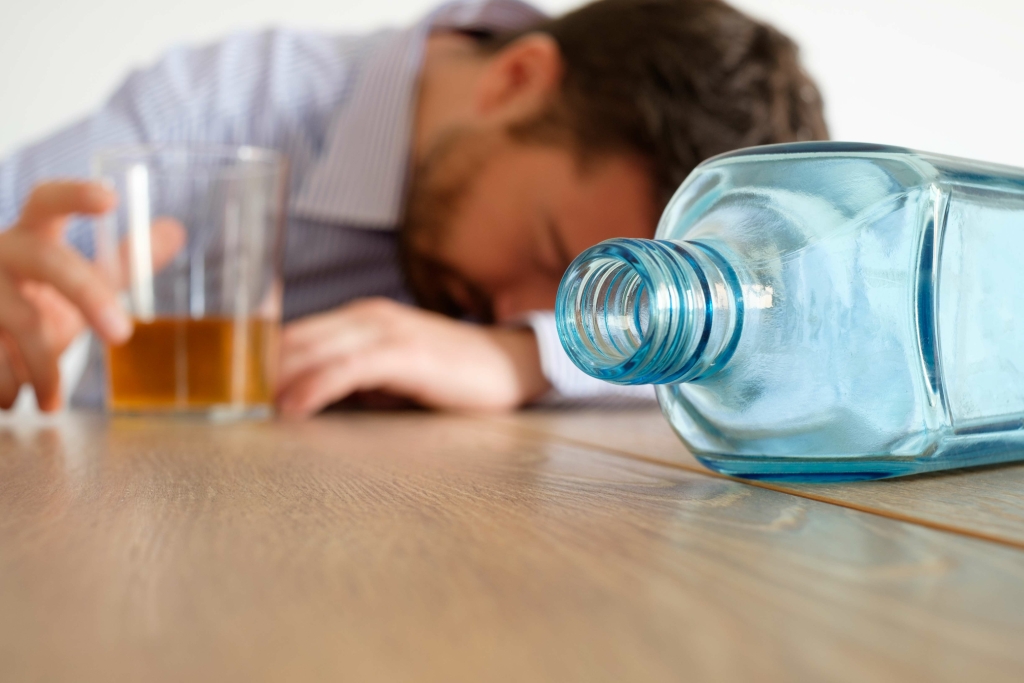
distinguish between alcohol abuse and alcoholism

Borderline Personality Disorder (BPD) is marked by intense emotional instability, impulsive behaviors, and difficulty in relationships. Treatment often involves therapy to develop coping mechanisms and improve what is the difference between alcohol abuse and alcoholism emotional regulation. Obsessive-Compulsive Disorder (OCD) involves unwanted, persistent thoughts (obsessions) and repetitive behaviors (compulsions).

  • Common triggers include stress, boredom, social situations where alcohol is present, or negative emotions like anger or sadness.
  • Comprehensive rehabilitation programs, available in both inpatient and outpatient settings, provide a structured environment for addressing the psychological, emotional, and physical aspects of alcoholism.
  • Treatment of AUD focuses on relieving symptoms of alcohol withdrawal in the short term and then suppressing alcohol cravings in the long term.
  • This chronic disease often results in severe psychological and physical health issues, such as liver disease, cardiovascular problems, and mental health disorders.

Kidney Pain After Drinking Alcohol: Why It Happens & What to Do

  • You’re physically and psychologically dependent on alcohol, and your drinking is compulsive and out of your control.
  • There is no level of negative consequences that will overcome the person’s need to drink because they are mentally and physically unable to make the change for themselves.
  • After World War I, the Army and Veterans Administration broadened the nomenclature to include disorders affecting veterans.
  • The liver, responsible for metabolizing alcohol, can suffer from diseases such as cirrhosis, with nearly half of liver disease deaths involving alcohol.
  • Alcoholism is a layman’s term and not a clinical term used in medical diagnosis.

Consequently, distinguishing between social or moderate drinking and damaging patterns is vital for health preservation. Casual drinkers enjoy moderate, controlled consumption without adverse effects. Those with AUD have an ongoing, compulsive pattern that disrupts their lives and health.

Alcohol dependence refers to being unable to stop drinking without experiencing symptoms of withdrawal. By knowing this difference, you’ll be much better equipped to confront your loved one’s behaviors, be more confident in finding solutions, and have a better understanding of your loved one on a deeper level. When you notice a loved one who’s dangerously toeing the line between “having a good time” and dependency, it can be difficult to tell when harmless or occasional drinking has turned into a real problem. Maybe you’re noticing your partner coming home late after the bar multiple times per week. Or maybe you’re a parent having to pick up your grandkids more often from school because your child is often too inebriated to drive.

distinguish between alcohol abuse and alcoholism

Alcohol use disorder (AUD) is a medical condition characterized by an impaired ability to stop or control alcohol use despite adverse social, occupational, or health consequences. It encompasses the conditions that some people refer to as alcohol abuse, alcohol dependence, alcohol addiction, and the colloquial term, alcoholism. Lasting changes in the brain caused by alcohol misuse perpetuate AUD and make individuals vulnerable to relapse.


Does Alcohol Thin Your Blood? Effects and Impact

If you drink more than four drinks in one day, it is likely that your blood has been thinned. Heavy drinking can also lead to other health problems, such as liver damage and an increased risk of cancer. However, this exact mechanism may increase your risk of bleeding from strokes. Dispelling common misconceptions surrounding the relationship between alcohol and blood thinness is essential to understanding the true effects and impact of alcohol on the blood. Let’s address some of these misconceptions and emphasize the importance of accurate information. By addressing the health risks and implications of alcohol consumption, we can https://ecosoberhouse.com/ promote awareness and understanding.

Health Conditions

does alcohol thin the blood

It’s important to be open and honest with your healthcare provider about your alcohol consumption habits. Additionally, excessive alcohol consumption can cause liver damage, which can further impact the metabolism and clearance of blood thinners from the body. This can result in unpredictable effects and potentially compromise the intended therapeutic benefits of the medication. Blood thinners can be life-saving for those who need them but they also come with risks.

Alcohol and Platelet Function

These drugs play a crucial role in managing conditions related to blood clotting and circulation. Blood clots can be harmful, leading to conditions such as deep vein thrombosis (DVT), pulmonary embolism, stroke, or heart attack. Alcohol consumption can have various effects on the body, including the potential to thin the blood. When alcohol is consumed, it enters the bloodstream and affects the function of blood cells and platelets, components involved in the clotting process. However, the duration for which alcohol thins the blood does alcohol thin the blood can vary depending on several factors.

  • For example, if a blood clot forms and limits the flow of blood in the arteries, doctors call this thrombosis.
  • By following these precautions and guidelines, you can make informed decisions about drinking alcohol while on blood thinners.
  • I’ve spent the last seven years researching and understanding alcoholism, addiction, and how people get sober.
  • Looking to help someone with their alcohol addiction, we have provided some more information for those seeking guidance.

Need professional help with addiction?

Moreover, the type of alcohol consumed—whether it is wine, beer, or spirits—may influence its effects on blood viscosity, though the evidence remains inconclusive. Understanding these nuances is critical for assessing the role of alcohol in blood flow dynamics and its implications for cardiovascular health. Conversely, chronic alcohol consumption can lead to platelet hyperactivity and increased aggregation, potentially promoting abnormal blood clot formation. Long-term alcohol use disrupts the endothelium (the inner lining of blood vessels), leading to inflammation and oxidative stress. These changes can stimulate platelets to become more reactive, increasing the risk of thrombus (clot) formation in arteries and veins. This paradoxical effect highlights the dual nature of alcohol’s impact on platelets, where short-term inhibition may give way to long-term activation and heightened clotting risk.

Beer and Blood Thinners: Safety Concerns

Some people may wonder if there is a specific amount of alcohol that is safe to drink before or after injectables. There is no one-size-fits-all answer, but most medical professionals recommend avoiding alcohol for at least 24 to 48 hours before and after any procedure that involves breaking the skin. This gives the body time to recover and reduces the risk of complications 7.

Fact vs. Fiction: Alcohol and Blood Thinness

If you have a medical reason to consider consuming alcohol, talk to a health provider first to get more information about the best ways to manage your condition. Yes, it’s possible for alcohol to interact with blood-thinning medications, which can increase the risk of bleeding. If you’re taking a blood thinner, it’s important to talk to your doctor about how much alcohol is safe for you to consume. For individuals struggling with alcohol addiction, seeking professional help is crucial for both their overall well-being and circulatory system health.

  • When platelets do not work as well, the blood takes longer to clot, which means that even a small injury, like a needle prick, can lead to more bleeding or bruising 7.
  • They emphasize that high alcohol consumption could increase blood pressure and harm heart health.
  • These steps include monitoring your health and being aware of any potential side effects.

Neurological Effects

For those taking blood thinners, it is recommended to limit alcohol intake to one standard drink per day. When it comes to alcohol consumption and its impact on blood thinning, there are both potential benefits and risks involved. Understanding these aspects is crucial Alcoholics Anonymous for individuals who want to make informed choices regarding their alcohol intake.

Types of Anticoagulants and Antiplatelet Medications:

Because alcohol acts to thin your blood, it’s never a good idea to drink too much of it while you are taking prescribed blood thinners. It’s even worse to mix alcohol, a prescribed blood thinner, and Aspirin or Advil. Overdoing the alcohol, taking aspirin, and taking your blood thinner as prescribed can lead to internal bleeding.

does alcohol thin the blood

If you don’t have major health issues, you may be able to drink lightly to moderately with your doctor’s permission. Another common misconception is that alcohol increases blood circulation. While alcohol can cause temporary dilation of blood vessels, resulting in a warm sensation, it does not actually improve overall blood circulation in the long term. In fact, excessive alcohol consumption can have negative effects on cardiovascular health.

Alcohol Treatment Center In Coy, AR, Arkansas

Sober living programs typically require participation in therapy or outpatient treatment. They provide accountability and stability during early recovery, a time when relapse risk is highest. Medication-assisted treatment can play a critical role in alcohol recovery.

Alcoholism Treatment Program and Options

Signs and Symptoms of Cocaine Addiction

These guidelines help evaluate a patient’s clinical needs and situation to match them with the right level of care, in the most appropriate available setting. For more information on evidence-based guidelines visit Addiction Medicine Primer. Overcoming an SUD is not as simple as resisting the temptation to take drugs. Recovery may involve medication to help with cravings and withdrawal as well as different forms of therapy.

Best For: Holistic IOP treatment with an individualized approach to substance use and mental health disorders

Learn what to look for when choosing an alcohol rehab program, including treatment approaches, staff qualifications, and how InnerBalance can support your recovery journey. Planning aftercare is very important for individuals that are taking a part in MAT. There are rehab programs that help people prepare to receive continued care apart from residential treatment. MAT involves administration of the drug that has been approved by FDA and systematic therapeutic support. Understanding the functioning of MAT assists individuals and families in making an informed decision about the treatment.

Holistic therapies, which encompass yoga, meditation, and nutritional counseling, support the recovery process by fostering mental and physical well-being. This approach resonates with many patients who seek a more natural method of healing, enhancing their overall quality of life. Furthermore, dual diagnosis treatments are critical for those battling both addiction and mental health issues, offering integrated care that addresses all dimensions of a person’s well-being. If you or a loved one is struggling with alcohol addiction, seeking help can be daunting. In Coy, Arkansas, alcoholism treatment program and options various treatment centers offer compassionate care and effective strategies to reclaim your life. This article will guide you through the signs of alcohol addiction, the importance of treatment, the types of programs available, and how to choose a treatment center that suits your needs.

Pelican, SD, offers various treatment options tailored to your needs, including personalized therapy approaches and strong community support. Whether you opt for inpatient or outpatient treatment, remember that the journey to recovery is ongoing, and support is essential. Family plays an important role in alcohol addiction recovery by providing emotional support, encouragement, and accountability throughout the treatment process. Families participate in family therapy sessions to address dysfunctional dynamics, rebuild trust, and learn how to create a supportive home environment. Educating family members about addiction helps them understand triggers, relapse risks, and effective ways to assist their loved ones without enabling harmful behaviors. A strong family support system improves treatment engagement, reduces stress for the recovering individual, and increases long-term sobriety success rates.

Whether someone begins with detox, transitions through residential care, participates in outpatient therapy, or engages in holistic and peer-based support, each step builds valuable skills and resilience. Intensive outpatient programs provide a flexible treatment option that balances structure with independence. Individuals typically attend treatment three to five days per week for several https://perbali.org/type-1-diabetes-and-drinking/ hours at a time.

– Relapse Prevention Scavenger Hunt: Active Group Activity for Addiction Recovery Skills

Both of our hospitals have been established for many years and are regulated by their respective local health authorities. Our addiction treatment programmes in Stockholm are designed to be flexible, while providing the structure and support that you need in order to recover. With our wide range of different treatment methods and expertise, we are able to provide comprehensive guidance and support through your whole recovery journey. These therapies help reduce stress, improve emotional regulation, and enhance overall recovery outcomes.

  • If necessary, a medically supervised detox process helps manage withdrawal symptoms safely.
  • The emergency and referral resources listed above are available to individuals located in the United States and are not operated by the National Institute on Drug Abuse (NIDA).
  • Join our global mission of connecting patients with addiction and mental health treatment.
  • Individual counseling sessions provide a safe space to explore personal challenges, trauma, and underlying emotional issues.

Families play an essential role in helping individuals struggling with cocaine addiction through understanding, encouragement, and unwavering support. Chronic cocaine users may face acute coronary syndrome, a severe condition that impacts the heart’s ability to get enough oxygen. Dependence on this drug grows over time, creating intense withdrawal symptoms when trying to quit.

Alcoholism Treatment Program and Options

Support Groups and Ongoing Therapy

  • With structured follow-up, the risk of relapse decreases and family stress eases.
  • No matter the style of room and amenities, of course, oversight is what drives recovery outcomes.
  • At Opus Health, we are driven by the belief in the transformative power of healing and resilience.

These approaches are essential activities to build trust in recovery groups. A quiz game modeled after Jeopardy helps reinforce knowledge about addiction, recovery, coping mechanisms, and related health topics. Keeping track of what happens in group sessions can be just as important as the activities themselves. Good Substance abuse notes help you remember progress, spot patterns, and plan what’s next.

  • Syringe-services programs, which provide clean injection equipment to people who inject drugs, are highly effective harm-reduction measures, greatly reducing the spread of infectious disease.
  • It can be physically and mentally challenging, often requiring medical supervision to ensure safety.
  • Positive reviews from former patients can give you insight into the quality of care provided.

This level of care is best suited for individuals with mild alcohol use disorder or those who have already completed intensive treatment and want ongoing support. Monarch operates a Behavioral Health Outpatient Office in Mecklenburg County, providing mental health and substance use disorder services. MAT helps manage withdrawal symptoms, cravings, and the effects of long-term cocaine use. It’s important for those seeking treatment to consult with healthcare professionals to determine the most effective medication plan tailored to their needs. Understanding these behavioral therapy options is crucial for individuals seeking effective treatment for cocaine addiction.

What Are the Challenges of Alcohol Addiction Programs?

Alcoholism Treatment Program and Options

Such e-health tools have been shown to help people overcome alcohol problems. Your health care provider can help you evaluate the pros and cons of each treatment setting. When seeking professional help, it is important that you feel respected and understood and that you trust the person, group, or organization to help you. However, remember that relationships with health care providers can take time to develop. The three-step road map outlined in the NIAAA Alcohol Treatment Navigator offers expert guidance to focus and support your efforts. Learn how to find higher quality, science-backed alcohol treatment to raise your changes for success.

Through various therapeutic approaches, individuals explore the root causes of substance use and build skills for maintaining recovery. Detox addresses physical dependence by safely managing withdrawal symptoms as substances leave the body. Essentials mission is to renew lives impacted by addiction through personalized and complete behavioral healthcare.

World Wide Shipping
Easy Payments
24/7 Customer Support
Translate »